Foot massage is recognized widely not only for its immediate capacity to relieve discomfort and tension but also for its systemic therapeutic benefits, which impact overall musculoskeletal and circulatory health. Understanding the fundamental biomechanics of the feet and the principles of myofascial relief is essential for selecting and utilizing massagers effectively.
Table of Contents
The Biomechanics of Foot Health
The human foot is an intricate biomechanical structure, comprising 26 bones and 36 joints, supported by a dense network of muscles, tendons, and ligaments that facilitate movement, balance, and the distribution of body weight. As the primary point of contact and force distribution, any rigidity or discomfort in the feet can cascade, influencing gait and posture, thereby creating strain and aches in distant parts of the body, such as the legs, neck, and back. Improving foot health through massage helps maintain the steadiness and balance necessary for efficient function across the entire musculoskeletal system.
Understanding Myofascial Relief and Trigger Points
A core goal of advanced massage, whether manual or mechanical, is myofascial release. Fascia is the dense, interconnected layer of tissue and fluid that surrounds and stabilizes muscles, nerves, blood vessels, and bones. Overuse, trauma, repetitive strain (such as from typing or strenuous exercise), stress, or poor posture can cause this fascia to thicken or become “sticky,” leading to stiffness, limited mobility, and pain.
This tension often manifests as Trigger Points (TrPs), defined as focal, hyperirritable nodules found within taut bands of skeletal muscle fibers. When compressed, these TrPs can elicit acute tenderness, a characteristic “jump sign,” and may produce pain in a referred pattern—meaning the pain is perceived far from the actual source of the trigger point. Effective massage techniques work to stimulate blood flow and distribute thickened fascia fluid, making the tissue more pliable and alleviating this deep-seated tightness.
Core Therapeutic Benefits of Foot Massage
Regular foot massage offers several well-documented therapeutic advantages:
- Improved Circulation: Massage stimulates blood flow, oxygenation, and nutrient delivery to muscles and tissues, which is essential for healthy tissue recovery and reducing inflammation. This is particularly beneficial for individuals with sedentary habits or those who struggle with poor circulation, as it helps reduce fluid retention and swelling, known as edema.
- Stress Reduction and Relaxation: By activating the nervous system, foot massage promotes the release of neurotransmitters such as endorphins, serotonin, and dopamine, which are associated with positive mood and pain blocking. This physiological response lowers cortisol levels, helping to mitigate stress, anxiety, and depression, and promoting better sleep quality.
- Pain Management and Healing: Massage is an effective modality for alleviating chronic foot and leg pain caused by conditions like Achilles tendonitis or plantar fasciitis. Studies have even shown that massage post-surgery can reduce pain intensity and decrease the need for opioid painkillers.
Manual Foot Massagers: Pinpoint Precision and Simplicity
Manual massagers are the most accessible and portable tools for self-myofascial release (SMR). These devices require user engagement but offer the highest degree of customized control over pressure application.
Massage Balls (Golf, Lacrosse, Spiky)
Massage balls, such as golf or lacrosse balls, are small, firm spheres used to apply highly localized static or rolling pressure. Their utility lies in their ability to target discrete, deep trigger points that might be difficult to access with broader surfaces.
- Pros: They are inexpensive, lightweight, and highly portable. The primary advantage is the ability to exert profound pressure, customized in real-time by shifting the user’s body weight over the ball. This control allows for truly deep-tissue manipulation necessary to release stubborn knots and tight fascia.
- Cons: Effective trigger point release often involves acute, sometimes intense, discomfort, frequently described as “good pain”. The process requires active user effort, which can be tiring.
- Usage: Balls are ideal for isolating the arch and heel, making them excellent tools for daily SMR maintenance and addressing Plantar Fasciitis. Users should roll slowly and mindfully, applying pressure for 30–60 seconds per area.


Foot Rollers and Sticks
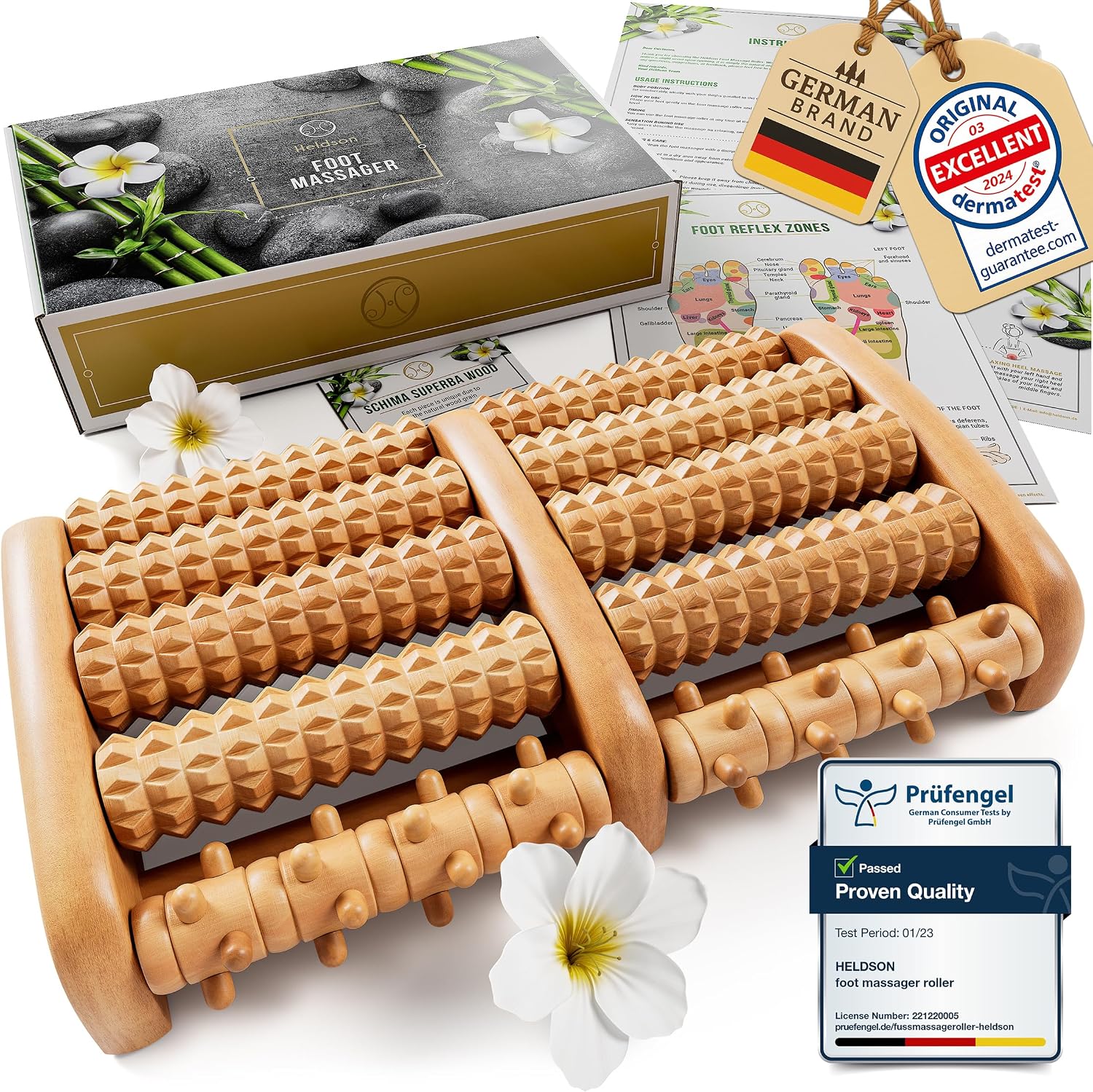
Foot rollers are typically cylindrical, often textured devices designed to massage a broader surface area, such as the entire arch and sole.
- Pros: Rollers are well-suited for covering larger muscle and fascia groups and serve as effective stretching tools for the plantar fascia. They are often considered a gentler starting point for SMR beginners compared to the high intensity of firm massage balls. Rollers can be placed in a freezer or heated for specialized thermal relief.
- Cons: Due to their larger surface area, rollers may not provide the same depth or concentrated penetration as a small, firm ball to deactivate isolated trigger points as effectively.
- Usage: They are effective for general relaxation, enhancing flexibility, and increasing pliability before exercise. A specific consideration involves female users who should approach aggressive foot rolling with caution during ovulation (around day 14 of a 28-day cycle). The natural increase in ligament laxity during this phase can make the plantar fascia more vulnerable to irritation or injury from aggressive rolling. This highlights the importance of matching even manual therapeutic tools to the body’s physiological state.


Dedicated Electronic Massagers: Automated Relief
Electronic foot massagers move beyond simple mechanical movement, offering a hands-free, automated, and highly customizable massage experience by employing mechanical, thermal, or electrical techniques. These devices are substantially more expensive than manual tools but offer consistency and specialized features.
Shiatsu and Kneading Massagers
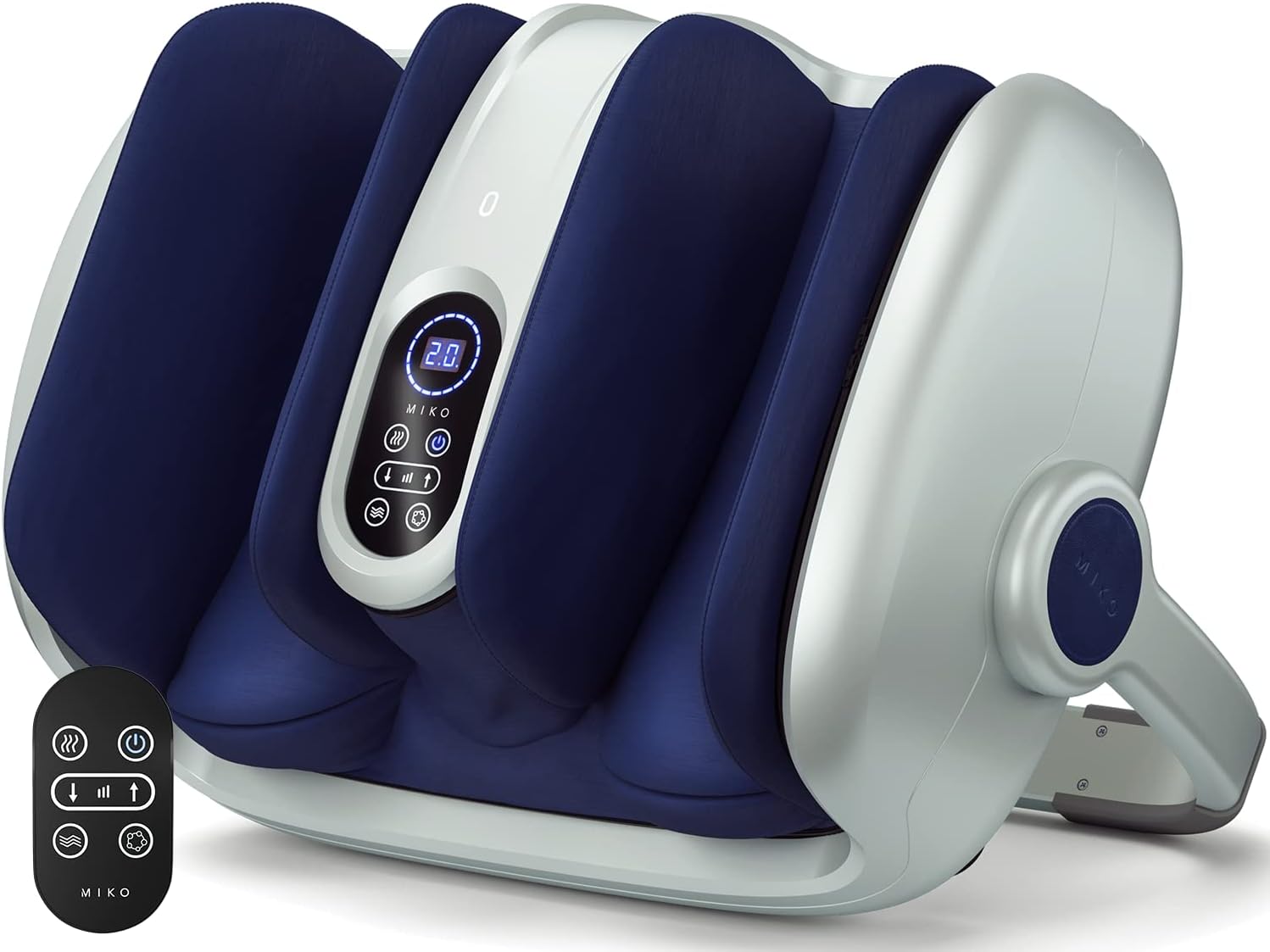
Shiatsu massagers use mechanical nodes and rollers to mimic the deep, kneading pressure of a therapist’s thumbs or knuckles. They are designed to relieve muscle tension and target pressure points.
- Mechanism and Features: These devices use powered mechanisms to simulate professional massage, often incorporating adjustable intensity levels, multiple modes (e.g., rolling, kneading), and integrated heat therapy. This mechanical action can penetrate deeper into the muscle and blood tissues than manual human pressure alone.
- Pros and Cons: The chief advantage is the consistent, powerful relief provided without any user effort. However, they are generally bulkier, heavier, and require a power source, making them less portable. Some models may be too intense for individuals with highly sensitive feet, necessitating the use of the lowest settings.


Air Compression Massagers
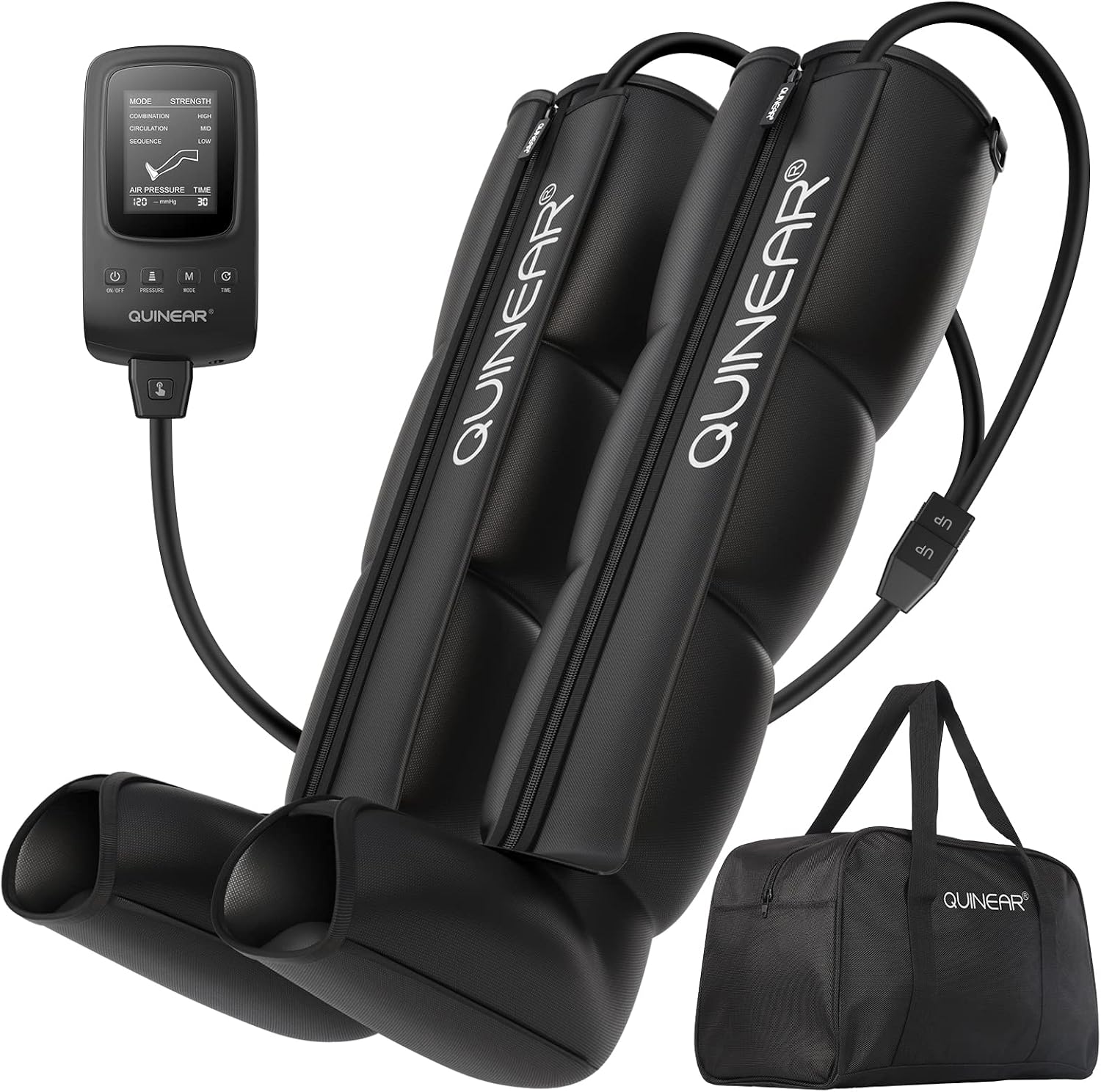
Air compression devices use inflatable air bladders, often integrated into a boot- or pod-style enclosure, that inflate and deflate rhythmically.
- Mechanism and Features: The squeezing action stimulates circulation and lymphatic drainage, effectively reducing swelling and fatigue. Compression is often combined with Shiatsu components; the air pressure creates a “snug fit,” pressing the foot firmly onto the internal kneading nodes, which enhances the intensity of the Shiatsu mechanism. High-end systems, such as compression boots, specialize in whole-leg fluid dynamics.
- Pros and Cons: Compression massagers are highly regarded for managing Edema (swelling) and improving general blood flow. They tend to offer a more calming and relaxing experience than a pure, intense Shiatsu massage. They can, however, be prohibitively expensive, with professional-grade models reaching high price points.
Professional Air Compression Leg and Foot Massager with Heat

Vibration and Oscillating Massagers
These devices utilize rapid movement to deliver targeted therapeutic benefits. EMS (Electrical Muscle Stimulation) massagers specifically use electrical impulses to induce muscle contractions. Oscillating massagers use high-frequency vibrations coupled with circular rotation.
- Therapeutic Focus: Oscillating technology is clinically recognized for its ability to boost circulation, deliver oxygen, and accelerate tissue repair, which can aid in muscle relaxation and strain relief.
- Key Application: Vibration therapy is particularly beneficial for managing symptoms associated with nerve damage, such as Diabetic Peripheral Neuropathy (DPN). Studies suggest vibration can decrease pain and improve sensory function, gait, and balance in DPN sufferers. These devices offer a non-invasive, accessible solution for nerve-related discomfort, often delivering a gentler, more therapeutic modality compared to the harsher force of percussive guns.


Hydrotherapy/Foot Spas
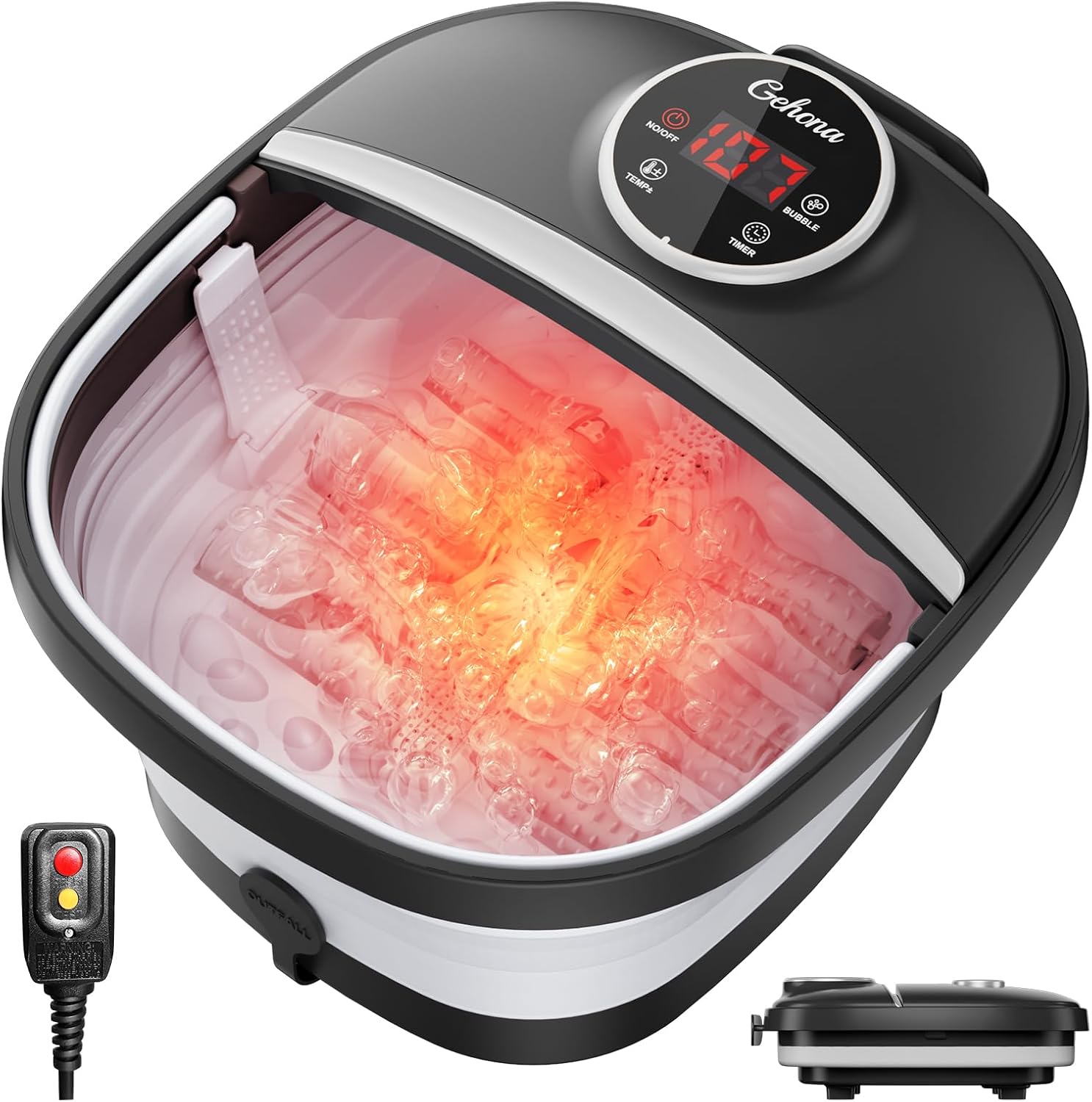
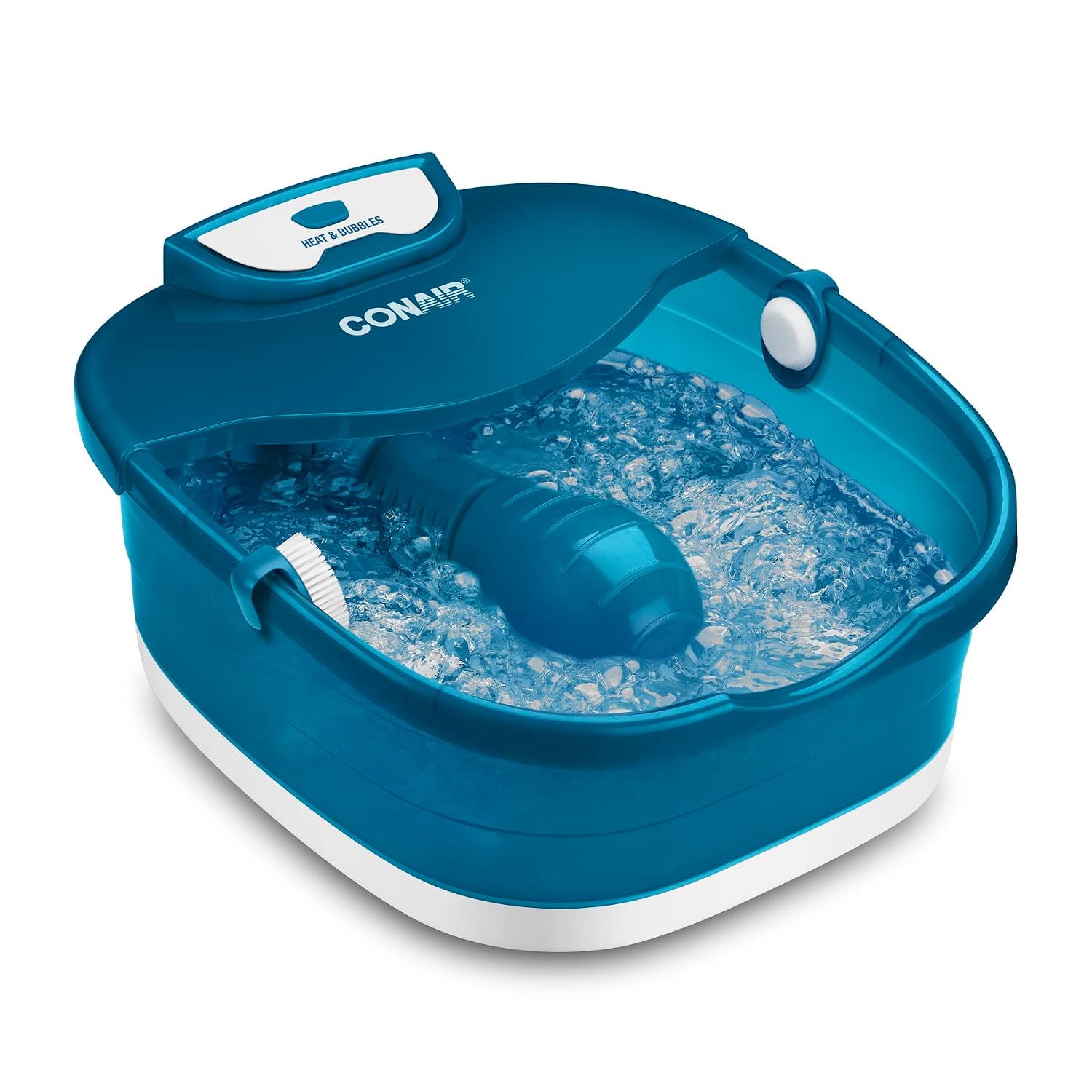
Foot spas combine water immersion, heat, and often bubbles or basic rollers (manual or motorized) to create a spa-like relaxation experience.
- Pros and Cons: Foot spas are excellent for promoting deep relaxation, alleviating general fatigue, and softening the skin. However, they require effort for filling, cleaning, and storage. More importantly, heated foot spas pose severe safety risks for certain populations, as detailed in later section.
The Importance of Customization
A significant differentiating factor between basic and high-end electronic massagers is the degree of customization offered. While basic electric models provide limited functionality, advanced or “smart” massagers integrate features like adjustable intensity levels, varied heat options, specific massage modes, and sometimes app connectivity. Since massagers represent a financial commitment, the ability to personalize the experience is essential; users must be able to modulate intensity to suit their comfort level—whether they require powerful pressure for chronic tightness or a genuinely gentle touch for sensitive feet. Devices with insufficient adjustability or only a single setting for key functions (like heat or pressure) may lack the therapeutic versatility needed to address different conditions effectively.
Percussive Therapy (Massage Guns): High-Velocity Intervention
Percussive therapy (PT) devices, commonly known as massage guns, are handheld tools designed primarily for deep-tissue work on large muscle groups. They utilize rapid, repetitive pressure and vibration to penetrate and manipulate myofascial tissues.
Mechanism and Benefits
Percussive therapy delivers bursts of high-speed pressure, engaging the outer skin layer with vibration while applying force directly to the muscle belly or fascia. This action helps to thin the fascia fluid, thereby relieving pressure and tightness, improving mobility, and accelerating warm-up and recovery.
Application for Foot and Lower Leg Health
While often marketed for whole-body use, massage guns have specific, proven applications for the lower limb, provided strict guidelines are followed.
- Targeting Proximal Muscles: Percussive therapy is highly effective for loosening tight calf muscles, which frequently contribute to altered foot mechanics and heel pain associated with conditions like Plantar Fasciitis. Studies demonstrate that even a 5-minute percussive massage of the calf muscles can significantly increase ankle range of motion (ROM).
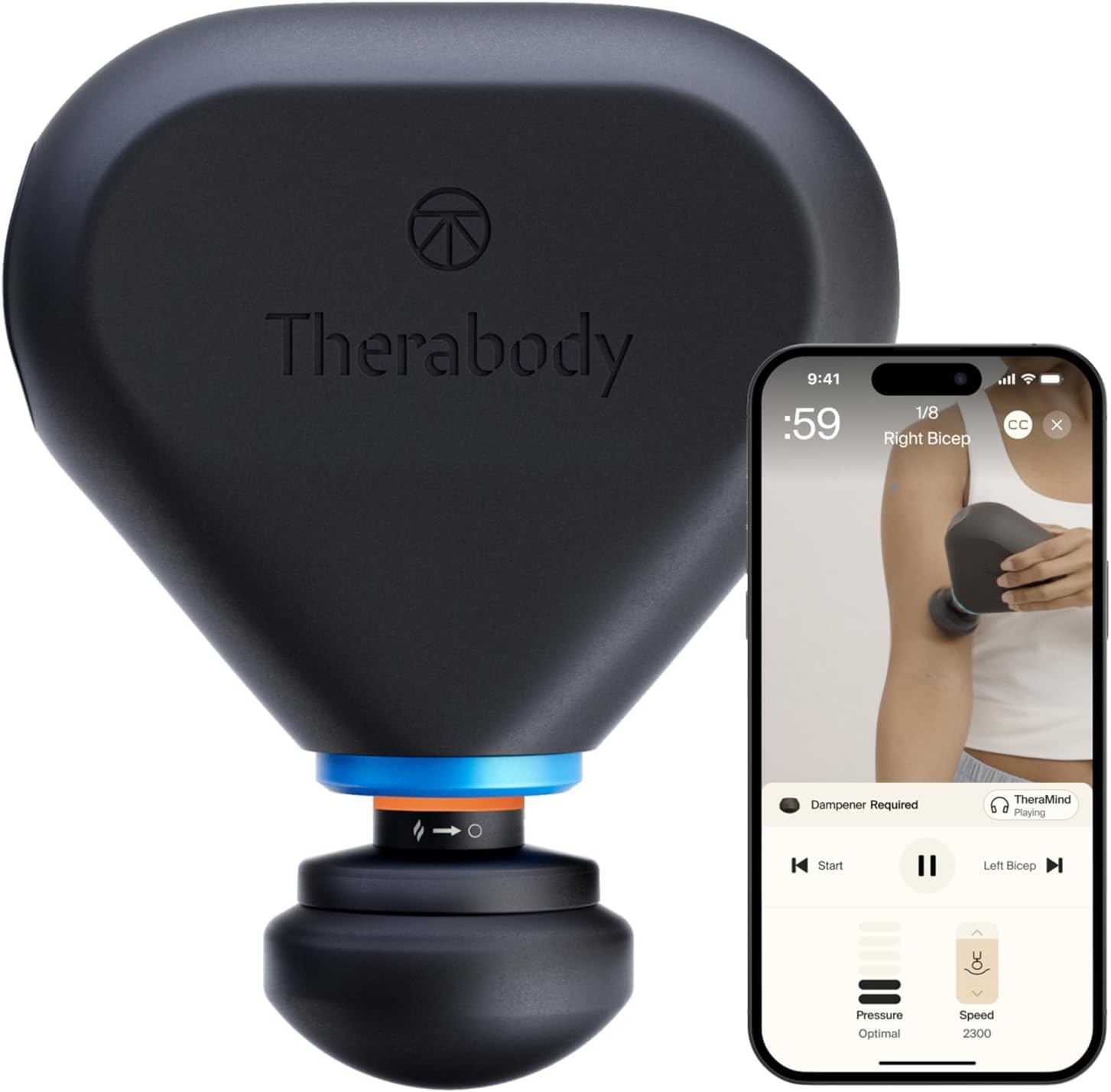
- Targeting the Foot: Massage guns can stimulate the plantar fascia to ease tension, reduce inflammation, and improve blood flow, aiding recovery from conditions like Plantar Fasciitis. Smaller, more portable massage guns, such as the Theragun Mini, are often favored for foot use because their size allows easier targeting of the arch and specific trigger points.
Critical Safety Precautions
The high-velocity, concentrated force of percussive massagers necessitates significant caution, especially when used on the delicate structures of the foot and ankle. The potential for risk often outweighs the benefits of using percussive devices directly on the feet compared to dedicated foot massagers or manual tools.
- Avoid Bony Areas and Joints: Percussive therapy must be applied exclusively to soft muscle tissue, carefully avoiding direct contact with bones, joints, and tendons. The forceful, jackhammer-like action of the gun can cause irritation, increase inflammation, or lead to more serious, long-term injury if applied to the metatarsals, tarsals, or ankle bones. Users are advised to limit use to 1–2 minutes per muscle group, avoiding any single spot for more than two minutes.
- Avoid Tendons, Ligaments, and Nerves: Percussion should never be used on inflamed or torn connective tissue, such as an acutely sprained ankle or the Achilles tendon itself, as this can worsen the damage. Similarly, areas near major arteries, nerve bundles, open wounds, or varicose veins should be strictly avoided.
Given the intricate structure of the foot (26 bones in close proximity) , the potential for inadvertently hitting a bony area is high. While percussion can target fascia , simple, inexpensive manual balls achieve a comparable depth of relief for specific trigger points with far less risk of causing traumatic injury. Therefore, for direct foot pain, alternative massagers or manual tools are generally safer and more appropriate.


Clinical Applications and Contraindications: Health and Safety
Foot massagers can be highly beneficial when used to manage certain chronic conditions but pose significant, sometimes life-threatening, risks for other specific patient groups. Consultation with a healthcare provider is paramount before incorporating any massager into a wellness routine, especially when underlying health conditions exist.
Conditions That Benefit from Massage
| Health Condition | Massager Benefits (Do Use) | Recommended Massage Type |
| Plantar Fasciitis (PF) | Relieves tension in fascia and calf muscles; breaks up adhesions. | Manual SMR (balls/rollers), Shiatsu kneading/rolling, Percussion on calves |
| Diabetic Peripheral Neuropathy (DPN) | Improves circulation, sensory function, gait, and pain symptoms. | Vibration/Oscillation devices, low-intensity Shiatsu/Compression (Heat Off) |
| Edema (Swelling) | Stimulates lymphatic drainage and blood flow, reducing fluid retention. | Air Compression massagers, gentle stroking massage |
| Restless Legs Syndrome (RLS) | Reduces muscle tension and discomfort. | Vibration/Oscillation, manual SMR, general massage routines |
Absolute and Critical Contraindications
The following conditions require extreme caution or the complete avoidance of foot massagers, especially those with powerful mechanisms or heat elements.
Deep Vein Thrombosis (DVT) and Blood Clots
Any person with a known history of DVT, a propensity for blood clots, or current symptoms (such as a red, swollen, and warm area in the leg or foot) must absolutely avoid deep tissue, traditional, or compression massagers. The pressure exerted by massagers carries the severe, life-threatening risk of dislodging a thrombus (blood clot), which could travel to the lungs and cause a pulmonary embolism. For individuals on blood thinners, deep tissue massage that may cause bruising or internal bleeding should also be avoided.
Diabetic Peripheral Neuropathy (DPN) and Heat
While circulation-boosting massagers (like vibration/oscillation devices) can be beneficial for DPN, the common heat feature is a critical danger. Patients with DPN experience sensory loss in their feet, meaning they cannot detect when a heat source (such as heating pads, heated massagers, or foot spas) is dangerously hot. This lack of sensation can lead rapidly to severe second- or third-degree thermal burns. Therefore, diabetic patients must ensure the heat function is permanently disabled or choose massagers specifically designed without heat. Furthermore, foot spas are generally not recommended for diabetic patients. Massage may also slightly increase the risk of hypoglycemia in individuals using insulin due to increased circulation.
This presents a critical conflict between product design and user safety: high-end massagers frequently combine powerful pressure and heat features for “deep relaxation”, which are precisely the characteristics that create an inherent safety hazard for the most vulnerable consumer groups, like neuropathic diabetics. Consumers must prioritize safety features and consult their physician before use.
Pregnancy
Pregnant women are at an increased risk of DVT, meaning intense or deep tissue massage on the legs should be avoided. Additionally, foot spas or heated water treatments are generally not recommended during pregnancy, as they may stimulate contractions, potentially leading to preterm labor. Gentle stroking or superficial lymphatic drainage is usually permitted to alleviate edema, but consultation with a physician is necessary before any lower extremity massage.
General Contraindications
Massagers should be avoided in cases of acute injury (sprains, broken bones, recent surgery) until cleared by a doctor, as pressure can worsen swelling or tissue damage. Individuals with skin conditions such as eczema, psoriasis, open wounds, athlete’s foot, or infections should also avoid massagers to prevent contamination or exacerbation of inflammation. Moreover, overuse of massagers (beyond the recommended 30 minutes per session) can strain muscles and prove counterproductive to recovery.
Finally, electrical safety is paramount. Consumers should exercise caution when purchasing unbranded or inexpensive electric devices, as some products have been found to violate electrical safety regulations, posing a serious risk of electric shock due to faulty components or inadequate construction.
Selection Guide and Top-Rated Foot Massagers
Selecting the most appropriate foot massager requires matching the device’s mechanism and features to the user’s specific health goals—whether deep tissue relief, circulation improvement, or generalized relaxation.
Key Selection Criteria
- Customization: Adjustable intensity levels, controllable heat, and multiple massage modes are crucial for maximizing therapeutic effectiveness and ensuring comfort.
- Massage Type: Users seeking deep, chronic-tension relief should focus on Shiatsu/kneading techniques. Those prioritizing swelling reduction should consider Air Compression. Individuals with neuropathy or poor circulation should look for oscillation/vibration technology.
- Size and Fit: Ensure the device accommodates the user’s foot size; some enclosed pod units only fit up to a men’s size 12.
- Portability and Bulk: Manual rollers and massage guns are highly portable, while most electric Shiatsu pods are stationary and relatively heavy (upwards of 11 pounds).
- Hygiene: Removable and washable foot covers are important, especially if the device is used frequently or by multiple people.
Highly Rated Foot Massagers by Function
The market is bifurcated between high-powered devices aimed at performance and physiological recovery, and more general models focused on home relaxation. The high cost of specialized recovery tools, such as compression boots, is reflective of their clinical-grade ability to mechanically manage fluid dynamics across the entire lower limb, surpassing the capabilities of stationary foot-only massagers.
| Best For | Recommended Model Example | Primary Massage Type | Key Features |
| Overall Deep Kneading/Versatility | Cloud Massage Shiatsu Foot Massager | Deep-kneading Shiatsu, Compression, Heat | Adjustable angle for foot/calf massage; 5 pressure settings; remote control |
| Circulation/Edema (Recovery) | Hyperice Normatec Elite Massager | Air Compression (Boot Style) | High-end system for systemic fluid dynamics; optimal for athletes and chronic swelling |
| Diabetic Neuropathy/RLS | MedMassager Oscillatory Foot Massager | High-speed Vibration/Oscillation (Non-Heat Focus) | Clinically used, high intensity (4,000 RPM); customizable settings designed to boost circulation |
| Targeted SMR/Arch Pain (Budget) | TheraFlow Dual Foot Roller | Manual Rolling | Inexpensive, non-electric, effective for isolating and stretching the plantar fascia arch |
| Best Value Shiatsu | Renpho Foot Massager Machine with Heat | Shiatsu Kneading, Rolling, Compression | Excellent overall performance, adjustability, and comfort; highly rated compact design |
| Deep Calf Tightness/Mobility | Theragun Prime or Mini | Percussion Therapy | Handheld, customizable speeds, used strategically on the calf muscles to influence foot pain |