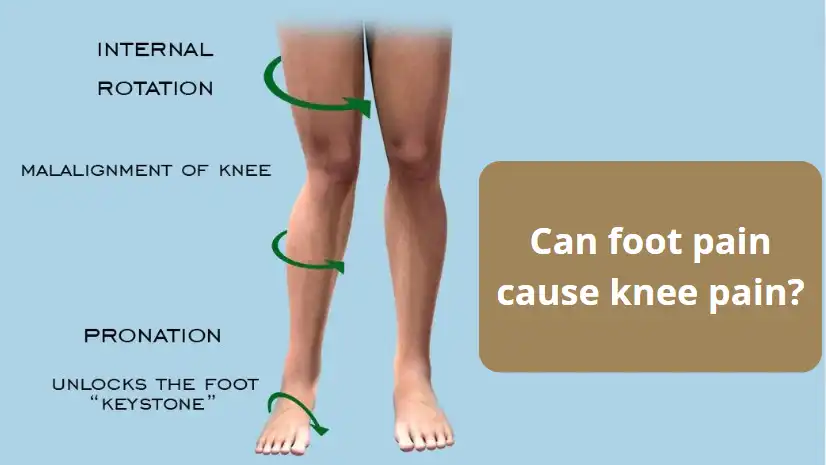
If you’ve finished a run with nagging knee pain, sore arches, or that familiar ache along the inside of your ankle, your shoes are probably part of the problem. Or at least part of the solution you haven’t found yet.
Stability running shoes are one of the most talked-about categories in running right now, and the interest isn’t misplaced. As runners learn more about foot biomechanics, demand for footwear that actually works with the foot has grown fast. Whether you’re logging miles on a treadmill, hitting the pavement on weekends, or rebuilding mileage after an injury, the type of shoe you pick matters more than most people think.
This isn’t about trends or buying the flashiest pair on the shelf. It’s about understanding how your feet actually move — and making a choice that supports that movement without fighting it.
Table of Contents
What Are Stability Running Shoes and Who Needs Them
Stability running shoes are built to control excessive inward rolling of the foot during a running stride — a pattern called overpronation.
Your foot naturally rolls slightly inward when you run. That’s normal — it’s how the body absorbs shock. The problem starts when that inward roll goes too far, setting off a chain reaction of misalignment through the ankle, knee, hip, and lower back. Stability shoes are designed to interrupt that chain before it causes damage.
Who benefits
These shoes aren’t for everyone, and that’s an important distinction. They’re best suited for:
- Overpronators — runners whose feet roll inward too much with each stride
- Flat-footed runners — little to no visible arch when standing
- Low-arch runners — a bit more arch than flat feet, but it still collapses under load
- Runners with a history of knee, ankle, or shin injuries — medial knee pain, shin splints, and posterior tibial tendon problems, especially
- Heavier runners — more body mass means more load on the arch, which can accelerate overpronation
If you fall into any of those groups, the right stability shoe can genuinely change how running feels. That said, don’t over-correct. Runners with a neutral gait or underpronation don’t need these features, and adding them can cause new problems.
How Stability Running Shoes Work
These aren’t regular running shoes with extra padding. They’re structurally different in ways that actually matter.
The main structural features
Medial post support is the cornerstone of most stability footwear. A medial post is a denser, firmer section of foam on the inner side of the midsole. When the foot starts rolling inward, this material resists the collapse — like a structural wall keeping the arch from flattening out.
Dual-density foam. Many stability shoes use two foam densities in the midsole: softer foam under the outer edge of the foot for cushioning, firmer foam along the inner edge to limit overpronation. The shoe ends up feeling cushioned but controlled.
Guide rails, Brooks Running’s approach, and it works differently from a traditional medial post. Guide rails are built into the sides of the midsole and only activate when your foot moves excessively. Think of them like bumpers on a bowling lane — your foot moves naturally until it doesn’t, and then they catch it.
Reinforced midsoles and heel counters. A reinforced midsole adds rigidity through the midfoot. A firm heel counter keeps the back of the foot locked in so the heel doesn’t collapse inward on first contact with the ground.
These features work together. No single one is the magic answer — it’s the combination that guides the foot through a more mechanically sound stride without feeling rigid or dead underfoot.
How to Tell If You Need Stability Shoes
Before spending money, take a few minutes to figure out whether these shoes are actually right for you. Several of these you can do at home.
The wet foot test
Wet the sole of your bare foot, then step onto cardboard or a paper bag. Step off and look at the print:
- Full footprint, little to no inward curve → flat foot, likely overpronator — stability shoes may help
- Moderate curve along the inner edge → neutral arch — neutral or mild stability shoes
- Narrow band or almost no connection between heel and forefoot → high arch, likely underpronator — stability shoes aren’t the move here
Wear pattern on old shoes
Grab a pair of running shoes you’ve put some miles on and flip them over. Where is the wear concentrated?
- Inner heel and forefoot → strong sign of overpronation
- Even across the outsole → neutral gait
- Outer edges → underpronation or supination
This is probably the most reliable DIY test, because it’s your actual running pattern over hundreds of miles — not a single snapshot.
Professional gait analysis
Honestly, do this before buying anything. Most specialty running stores offer free gait analysis where a staff member watches you run — sometimes on a treadmill, sometimes just in the store — and assesses your pronation. Some use video software that lets you see your own foot motion frame by frame. It’s worth doing at least once.
It takes about 10 minutes and can save you from a purchase you’ll regret. A bad stability shoe genuinely is worse than no stability shoe.
What to Look for When Shopping
Arch support level
Stability shoes run from mild to maximum motion control. Mild stability suits moderate overpronators who still want a cushioned, flexible feel. Motion control is much stiffer and built for severe overpronation or heavier runners. Know where you fall before you commit.
Cushioning
More cushioning isn’t always better. Plush foam feels great on easy long runs, but can kill ground feedback during faster workouts. Think about what you’re actually training for:
- Long, easy miles → plush and responsive
- Speed work or tempo runs → firmer, more energetic foam
- Daily training → medium cushioning usually covers it
Heel drop
This is the height difference between the heel and forefoot — most stability shoes sit between 8 and 12mm, which works well for heel strikers. Midfoot strikers, or anyone transitioning to a more natural gait, might prefer something closer to 4–8mm. It affects both comfort and the risk of injury, so don’t ignore it.
Upper breathability
An engineered mesh upper keeps feet cooler and reduces blisters. If you run in heat or humidity, or just tend to run hot, this matters more than it might seem.
Outsole durability
Overpronators tend to wear through the inner heel fast. Look for carbon rubber in those high-wear zones — it’s denser and holds up much longer than standard rubber.
Toe box fit
A shoe that checks every technical box but squeezes your toes is the wrong shoe. Leave a thumb’s width between your longest toe and the end of the shoe, and make sure the toe box is wide enough that your toes can spread naturally when your foot hits the ground.
Mistakes Worth Avoiding
Buying based on looks
Some stability shoes look genuinely great. But the colorway tells you nothing about how the shoe will support your foot. Figure out what you need first, then see if you like the aesthetics.
Forgetting your socks
Your fit changes with sock thickness. Bring your actual running socks when trying shoes on. A shoe that fits perfectly in thin socks may squeeze painfully in your usual pair — and that leads to blisters, black toenails, and general misery on longer runs.
Getting the wrong support level
Too much stability when you’re a mild overpronator can restrict natural foot motion and cause problems at the knee and hip. Too little and the shoe isn’t doing the job it’s supposed to. Match support to your actual situation. If you’re also considering insole options, the best insoles for overpronation can complement the right shoe choice.
Skipping the break-in period
Stability shoes — especially those with firm medial posts or guide rails — need time to adapt to your foot. Don’t take a brand-new pair out for a 10-miler on day one. Build up gradually. Your muscles and connective tissue need time to adjust to the new support pattern.
Treating a friend’s recommendation as gospel
Your friend’s favorite shoe might be completely wrong for your feet. Foot mechanics are individual. Use recommendations as a starting point, not a final answer.
Conclusion
Get your pronation type sorted. If you can, have someone watch you run — most specialty stores will do it for free, and it’s worth the 10 minutes. Match the level of support to what you actually need, not what sounds most impressive. And give a new shoe time before you put big miles on it.
A good stability shoe doesn’t feel like a correction device. When it’s right, it just feels like a running shoe that fits. That’s what you’re looking for. If knee pain has been part of your story, it’s also worth understanding whether foot pain can cause knee pain — the connection is often closer than runners expect.
Author