
Table of Contents
How to fix underpronation?
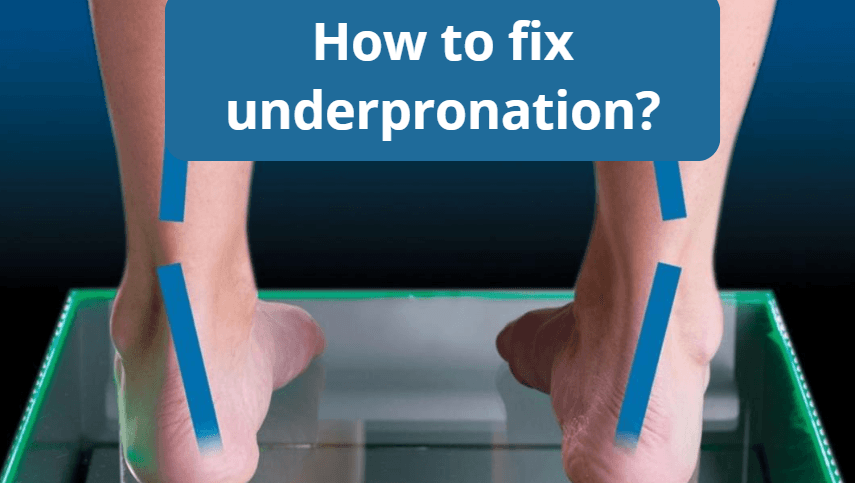
Underpronation (also known as supination) occurs when the foot does not roll inward enough during the walking or running stride, causing the body’s weight to be distributed mostly on the outside of the foot. This can lead to various issues like discomfort, increased risk of injury, and improper alignment.
What is Underpronation?
Underpronation is a type of abnormal foot movement during walking or running, where the foot does not roll inward enough. This results in less shock absorption and puts extra stress on the outer parts of the foot and lower limbs.
Symptoms of Underpronation:
- Excessive pressure on the outer part of the foot.
- Pain or discomfort in the ankles, knees, hips, or lower back.
- Increased wear on the outer edges of shoes.
- High arches in the feet.

Causes of Underpronation
- Genetics: A natural high arch or rigid foot structure can contribute to underpronation.
- Improper footwear: Shoes that do not provide adequate arch support or cushioning may exacerbate underpronation.
- Injury or trauma: Past injuries, especially in the feet or ankles, can alter your gait and lead to supination.
How to Fix Underpronation
Proper Footwear
- Cushioned Running Shoes: Choose shoes that provide adequate cushioning to help absorb impact and offer support for your high arches.
- Stability or Motion-Control Shoes: These shoes help correct improper foot motion and promote a more neutral alignment during walking or running. They are particularly useful for people with underpronation.
- Orthotics: Custom or over-the-counter insoles can offer extra arch support, cushioning, and help redistribute pressure on the foot.

Foot Exercises & Stretches
Strengthening and stretching exercises are essential to improve your foot’s alignment and flexibility. Here are a few:
- Towel Scrunches: Sit with your feet flat on the floor, place a towel underneath, and use your toes to scrunch the towel toward you. This will strengthen the muscles in the feet.
- Arch Lifts: Stand up and try to lift the arch of your foot without lifting your toes or heel off the ground. This can strengthen the muscles that control the arch.
- Calf Raises: Stand with your feet flat on the floor and then raise your heels, holding for a few seconds before lowering. This helps build strength in the calves and improve foot mechanics.
- Rolling a Ball: Use a tennis ball or golf ball to roll under the arch of your foot to loosen tight muscles and improve flexibility.

Improving Gait
- Gait Training: Underpronation can be corrected with proper gait training. Work with a physical therapist or a professional running coach to evaluate your running or walking form. They may suggest specific drills to correct your stride and foot placement.
- Focus on Foot Alignment: While walking or running, focus on ensuring that your feet are landing in a neutral position rather than rolling outward. This can help prevent further strain on the outer foot.
Using Insoles or Orthotics
- Custom Orthotics: A podiatrist can create custom insoles to help address your specific foot structure, supporting both the arch and the outer edge of the foot.
- Over-the-Counter Insoles: Look for insoles specifically designed for high arches or underpronation. These typically have extra cushioning and arch support to correct foot mechanics.

Strengthening Your Legs and Hips
- Leg Strengthening: Exercises that target the calf muscles, quadriceps, hamstrings, and hip abductors help improve overall lower-body strength and support. This will ensure better alignment and reduce the strain on your foot.
- Single-Leg Balancing Exercises: Stand on one leg at a time and maintain balance for 30 seconds to a minute, gradually increasing the difficulty. This helps improve stability and control.
Regular Foot Care
- Massage: Regular foot massages can help release tension in the foot muscles and improve circulation.
- Footwear Rotation: Avoid wearing the same shoes every day, as this will allow them to maintain their cushioning and support. This also reduces the pressure on your feet.

Diabetes Blog
When to See a Specialist
- Persistent Pain: If pain or discomfort persists despite corrective measures, consult a podiatrist or orthopedic specialist. They can provide a more specific diagnosis and treatment plan.
- Foot Issues: If you experience blisters, calluses, or unusual wear patterns in your shoes, these may indicate an underlying issue that needs addressing by a professional.
- If Underpronation Causes Injury: In cases of injury, seek medical advice to ensure appropriate recovery and correction of the issue.
Conclusion
Fixing underpronation involves a combination of proper footwear, strengthening exercises, improving your gait, and sometimes using orthotics. Regular care of your feet and monitoring your form can go a long way in reducing discomfort and preventing injury. If self-correction methods don’t alleviate symptoms, seeing a specialist for personalized advice and treatment is recommended.
FAQs
How can I tell if I have underpronation?
Footwear Wear: Check the soles of your shoes. If the outer edges are worn more than the inner part, it might indicate underpronation.
Foot Shape: People with high arches are more likely to experience underpronation.
Pain: Experiencing discomfort or pain on the outside of the feet, ankles, or knees could be a sign.
Can underpronation lead to injury?
Yes, underpronation can lead to injuries such as shin splints, stress fractures, ankle sprains, and knee pain because the body is not effectively absorbing shock. The misalignment can strain the joints and muscles over time.
What type of shoes should I wear for underpronation?
Look for shoes with the following features:
Cushioning: To absorb impact and reduce stress on the foot.
Stability: Shoes with added arch support help in distributing weight more evenly.
Neutral or Motion-Control Shoes: These shoes help control foot movement, preventing excessive rolling outward.
Are orthotics necessary for underpronation?
Orthotics can be very helpful for individuals with underpronation, especially if you’re experiencing pain or discomfort. They can provide the necessary support and correct the way your foot strikes the ground.
Can underpronation cause back pain?
Yes, because underpronation leads to improper foot alignment, it can cause compensatory movements in the legs and hips, which can then result in back pain.
READ ALSO: Best Insoles For Overpronation in 2025
Author



I wish you would provide shoe brands/style for under pronation.
Hi Sara,
Thanks for bringing that up. I’ve been working on the article just about that recently – it should be out soon, I’ll let you know.
Sara, please see https://footwisdom.com/best-shoes-for-underpronation/.